Heat & Muscle Cramps
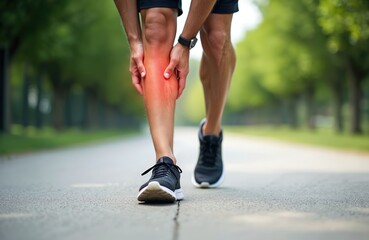
Summer is in full swing, and while that means beach days and backyard barbecues, it also brings a familiar, painful nuisance for many: muscle cramps. That sudden, sharp seize in your calf during a run or a charley horse in the middle of the night isn’t just bad luck—it’s your body sending a signal.
Why Does the Heat Turn Our Muscles Against Us?
It’s a common myth that dehydration and salt loss are the only culprits. While they play a huge role, the full picture is a little more complex, especially when you’re active in the heat.
- Dehydration & Electrolyte: This is the big one. When you sweat, you lose more than just water; you lose essential electrolytes like sodium, potassium, and magnesium. These minerals are critical for sending nerve signals and making your muscles contract and relax properly. When they’re depleted, the signals get scrambled, and muscles can go into an uncontrolled spasm.
- Muscle Fatigue: Hot weather puts extra stress on your body. Your heart works harder to pump blood to your skin to cool you down, which can mean less blood flow is available to your working muscles. This leads to faster fatigue. A tired muscle is more susceptible to cramping because its energy reserves are depleted and its neural control is compromised.
- The “Perfect Storm”: For most people, it’s not one single cause. A cramp often strikes when a already-fatigued muscle (think: a long walk, a game of tennis) is further challenged by dehydration and electrolyte imbalance on a hot day.
Your Practical Guide to Preventing Cramps
Prevention is always better than a painful cure. Integrate these strategies into your summer routine:
1. Hydrate Smartly, Not Just Often
Water is essential, but when you’re sweating for prolonged periods, you need more.
- Before: Drink a large glass of water an hour or two before outdoor activity.
- During: Sip fluids regularly during exercise. For activities longer than 60-90 minutes, consider an electrolyte replacement drink or adding an electrolyte tablet to your water.
- After: Replenish. Water and a balanced meal are often enough after moderate activity.
2. Fuel Your Body for the Heat
What you eat plays a direct role in preventing cramps.
- Sodium: Don’t avoid salt, especially if you’re a heavy sweater. Enjoy salted nuts, pretzels, or add a little extra salt to your post-workout meal.
- Potassium: Found abundantly in bananas, potatoes, spinach, avocados, and yoghurt.
- Magnesium: Load up on dark leafy greens, nuts, seeds, and legumes.
3. Acclimatise and Pace Yourself
Your body needs time to adapt to the heat.
- If you’re used to air-conditioned comfort, don’t suddenly attempt a 10km run in the midday sun. Gradually increase your activity time and intensity in the heat over 1-2 weeks.
- Listen to your body. If you’re feeling excessively fatigued, take a break. Pushing through is a fast track to cramping.
4. Don’t Neglect Warm-Ups and Recovery
- A dynamic warm-up (leg swings, walking lunges, light jogging) prepares your muscles for work better than static stretching.
- Gentle stretching after activity, when your muscles are warm, can help improve flexibility and reduce tightness that contributes to cramps.
What to Do When a Cramp Strikes
When it happens, the goal is to stop the spasm.
- Stop the activity immediately.
- Gently and slowly stretch the cramped muscle. For a calf cramp, pull your toes and foot upwards towards your shin.
- Lightly massage the area to help the muscle relax.
- Hydrate with water or an electrolyte drink.
- Apply a heat pack to the tense muscle once the initial sharp pain has eased to promote relaxation.
Know When to Seek Help
While occasional cramps are normal, frequent, severe, or unexplained muscle cramps can sometimes indicate an underlying issue. If your cramps:
- Are severe and don’t improve with self-care.
- Happen frequently without a clear cause like exercise.
- Are accompanied by swelling, redness, or muscle weakness.
- Started after you began a new medication.
It’s a good idea to consult a healthcare professional. A physiotherapist can assess your muscle function, identify any weaknesses or imbalances that may be contributing to the problem, and provide a tailored management plan.
Get in touch with our Physiotherapists and Exercise Physiologist today. Book online or call us on 3352 5116.